
Science
As artificial intelligence and deep biology converge, DAiNA will help lead the shift toward truly individualized cancer care, redefining how a patient's disease is understood and treated
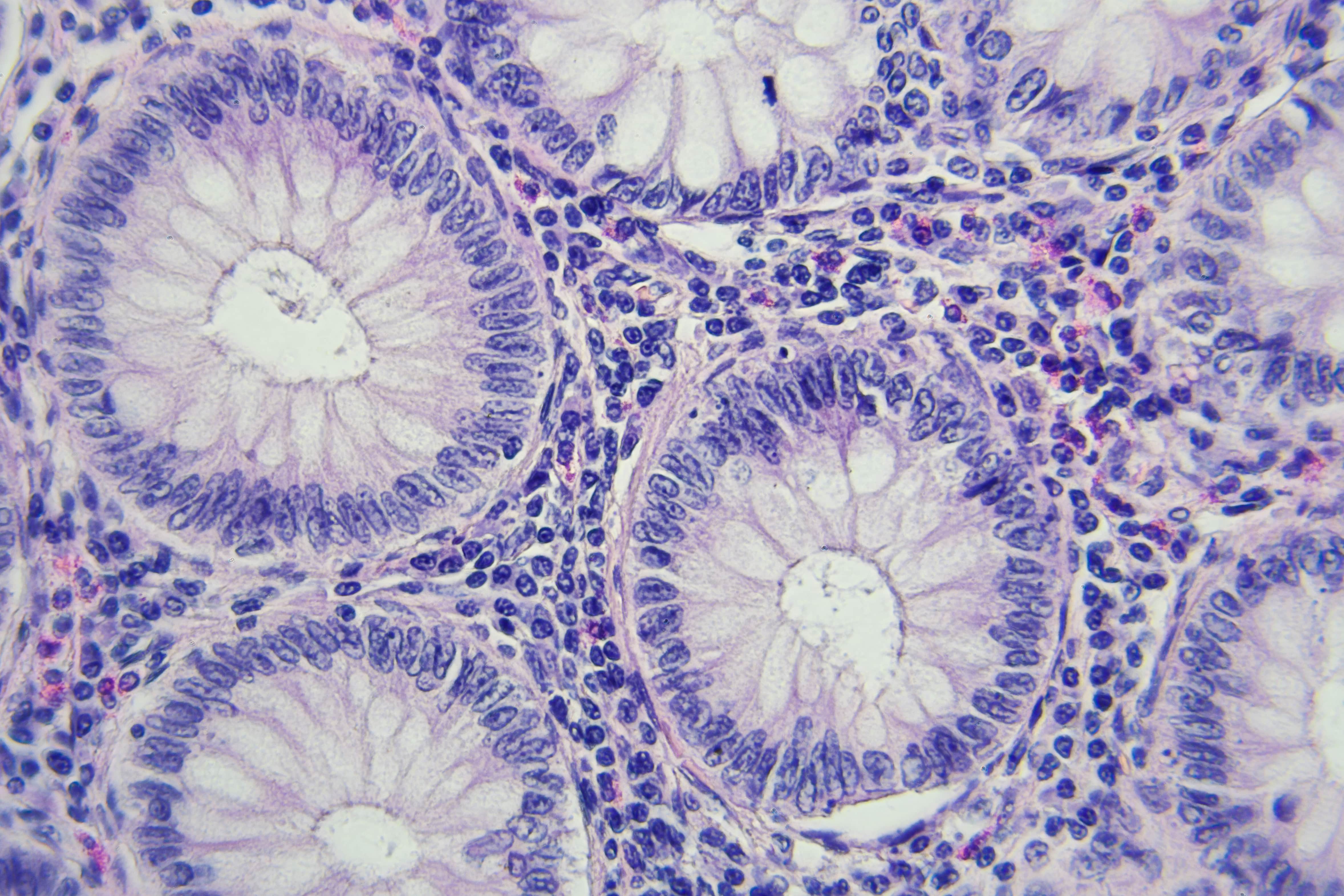
Fundamental Biology
Personalized cancer care begins with understanding - at the molecular level
DAiNA will integrate multi-omic data to anticipate resistance and guide precision therapies
Traditional genomic profiling alone often fails to capture the full spectrum of cancer's functional biology. Considering most targeted treatments act on proteins, not genes or transcripts, proteomic and phosphoproteomic analyses will be critical in identifying actionable targets. Tumor progression is driven by dysregulated protein signaling networks, which may not be evident through DNA or RNA sequencing alone. A comprehensive multi-omic approach, combining genetic, proteomic, and functional data, will be essential to fully characterize tumors and inform individualized therapeutic strategies.
Tumors adapt through Darwinian selection, developing into diverse sub-clonal populations that respond to environmental pressures, evade immune detection, and acquire resistance to therapies. This evolutionary process highlights the need for dynamic and adaptable combination treatment strategies that consider not only molecular complexity, but also for the tumor microenvironment.

DAiNA aims to decode tumor individuality to drive a new standard in personalized oncology
Our Approach
DAiNA's AI-powered platform is designed to not only treat cancer, but also to continuously learn from it, adapt to it, and respond with increasing intelligence
Decoding cancer from cell to system
Key Strategies
- Analyzing tumor behavior and predicting disease progression
- Selecting treatments based on integrated molecular and pathological signatures
- Assessing toxicity risks linked to therapy options
- Evaluating risk profile for recurrence, familial, and secondary cancer risk, and related preventive interventions